
Tinnitus Treatment
What Is Tinnitus?
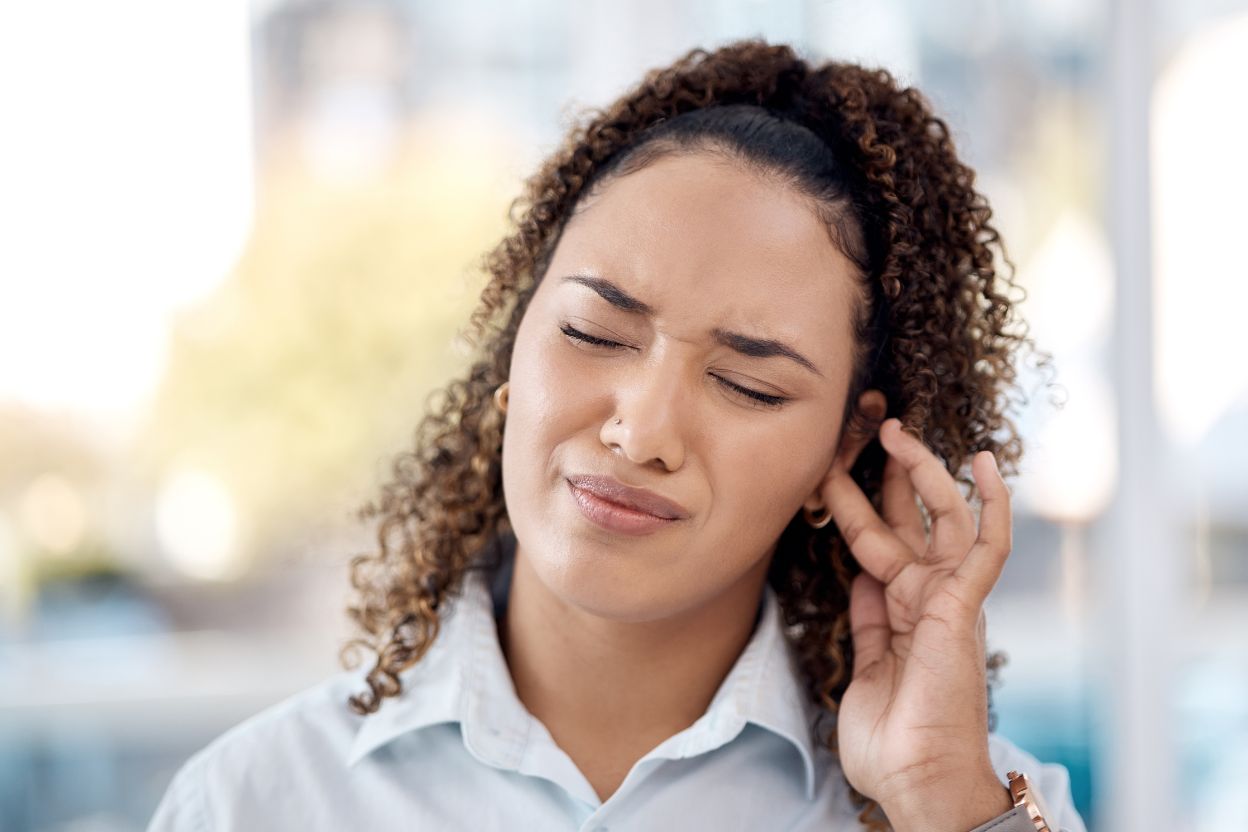
Tinnitus is the perception of sound when no external noise is present. Often described as “ringing in the ears,” it can also resemble hissing, buzzing, clicking, or roaring, and may be occasional or constant. Its intensity varies from person to person—some experience mild annoyance, while others find it significantly disruptive to daily life.
What Causes Tinnitus?
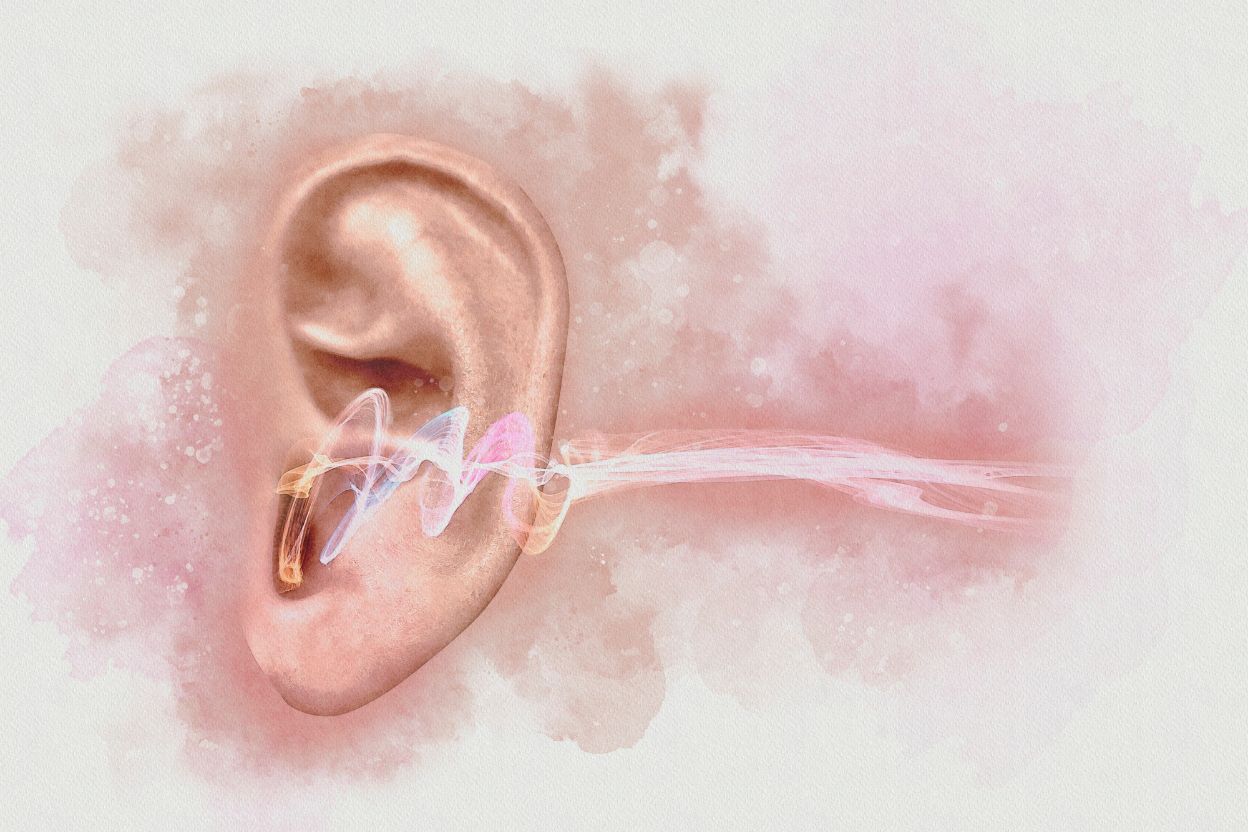
The exact cause of tinnitus isn’t fully understood, though it is frequently linked to hearing loss. It can also stem from other underlying issues such as earwax buildup, ear infections, or head injuries. While there is no definitive cure, a variety of treatment options can help reduce its impact and make symptoms more manageable.
What Can Be Done?
Tinnitus affects everyone differently, which is why a comprehensive evaluation is essential for determining the most appropriate treatment options for your unique situation. The first step in our diagnostic process is to rule out any medical or physical factors that may be contributing to your symptoms. While there is no definitive cure for tinnitus, our experienced hearing professionals use proven therapies and advanced technology to help reduce its impact and improve your overall comfort.
What Treatment Options Are Available?
Tinnitus Retraining Therapy (TRT)
Tinnitus Retraining Therapy combines sound therapy with counseling to help retrain the brain’s response to tinnitus. By altering neural signaling, this approach can significantly reduce the perception of tinnitus and has provided meaningful relief for many of our patients.
Cognitive Behavioral Therapy (CBT)
Cognitive Behavioral Therapy helps patients manage the emotional and psychological impact of tinnitus. By reframing negative thought patterns and reducing stress responses, CBT can make tinnitus symptoms feel far less overwhelming.
Masking
Masking uses sound to help minimize or “cover” the perception of tinnitus. Wearable devices—similar to hearing aids—produce a soft, steady sound that distracts from tinnitus, while bedside sound generators provide nighttime relief. These tools can help reduce the focus on tinnitus and create a more comfortable listening environment.
Hearing Aids
Hearing aids, commonly used for hearing loss, can also be equipped with special features to help manage tinnitus. In addition to amplifying external sounds, many devices include built-in masking options that provide soothing noise to help diminish tinnitus awareness.

Terms and Conditions | Privacy Policy | No Surprises Act | Accessibility Statement || © 2026 Professional Hearing Care