
Hearing Loss
Hearing Loss Overview
Hearing loss is a widespread condition affecting millions of people across the globe. It can occur suddenly or develop slowly over time, but in either case, it significantly influences how individuals communicate, connect with others, and interpret the world around them. No matter the cause, hearing loss can have a meaningful impact on day-to-day life and overall well-being.
A variety of factors can contribute to hearing loss. Age-related changes—affecting nearly one in three adults over 65—are among the most common. Other causes include prolonged exposure to loud noise, certain medications or medical conditions, head injuries, and genetic factors. The severity of hearing loss varies widely: some people may struggle with specific sounds, while others experience profound hearing loss in one or both ears.
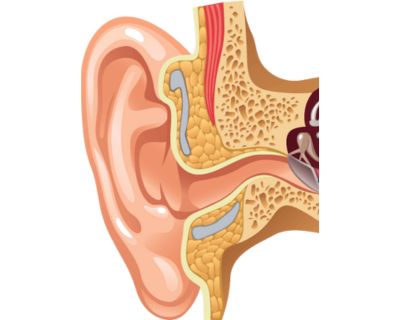
Types of Hearing Loss
Hearing loss is generally classified into two main types: conductive and sensorineural. Conductive hearing loss occurs when a physical obstruction or structural issue in the outer or middle ear prevents sound from moving effectively through the ear canal. Sensorineural hearing loss, on the other hand, results from damage or dysfunction in the inner ear (cochlea) or the auditory nerve, disrupting the transmission of sound signals to the brain; in some cases, injury to the brain itself can be a contributing factor. While conductive hearing loss is often temporary and may be resolved with medication or surgery, sensorineural hearing loss is typically permanent and is best managed with long-term solutions such as hearing aids or cochlear implants.

Signs of Hearing Loss
The most common sign of hearing loss is difficulty following conversations in noisy or crowded environments. You may also struggle to understand someone who is speaking softly or from a distance. Many people with hearing loss also experience tinnitus—a ringing, buzzing, or humming sound in one or both ears. Even if these symptoms seem mild, it’s important to have your hearing evaluated by an audiologist as soon as possible. When left untreated, hearing loss can worsen over time and contribute to other health concerns.

Treatment for Hearing Loss
No matter the degree of your hearing loss: mild, moderate, or severe, there are effective ways to manage it and stay fully engaged in life. By learning about the causes and symptoms of hearing loss and exploring treatment options such as lifestyle adjustments, medical care, and advanced hearing technology, you can find a solution that fits your needs. At Professional Hearing Care, we’re dedicated to providing personalized treatments and proven therapies that help you reconnect with the world and enjoy all the sounds life has to offer.

Terms and Conditions | Privacy Policy | No Surprises Act | Accessibility Statement || © 2026 Professional Hearing Care